Advancing coordinated, inclusive pathways into higher education for marginalised young women and men
The Forum for African Women Educationalists Zimbabwe (FAWEZI), in partnership with the Ministry of Higher and Tertiary Education, Innovation, Science and Technology Development (MHTEISTD) and the Zimbabwe Council for Higher Education (ZIMCHE), convened a high-level technical meeting to strengthen preparations for the implementation of the National Science Foundation Programme (NSFP).
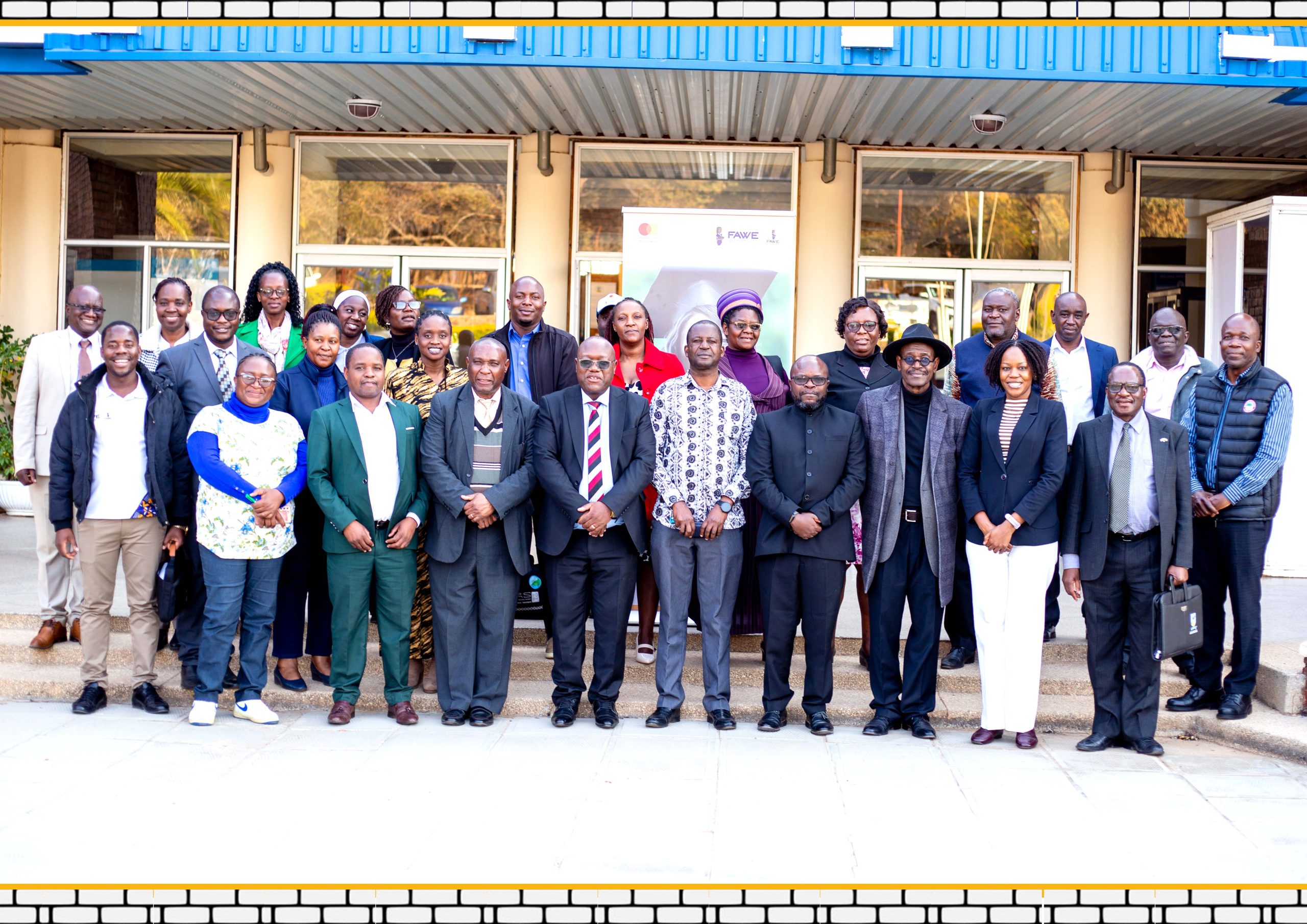
Held under the FAWE/Mastercard Foundation Phase II Programme, the meeting brought together ZIMCHE leadership, University Academic Registrars and university leadership from 15 universities to build consensus on the institutional, administrative and operational arrangements required for the coordinated national rollout of the programme.
The engagement provided a platform for higher education stakeholders to address key implementation considerations, align institutional processes and identify practical measures needed to support programme delivery across participating universities.
The meeting reflects ongoing efforts to strengthen alternative pathways into tertiary education, particularly for marginalised young women and men who face barriers to conventional university entry routes.
Building Consensus on a Coordinated National Framework
The successful implementation of a national access programme requires alignment among the institutions responsible for admission, academic administration, quality assurance and programme delivery.
Recognising this, the technical meeting focused on establishing a shared understanding of the NSFP implementation framework and the respective institutional arrangements required to operationalise the programme.
Discussions brought together key decision-makers from the higher education sector to consider how participating universities could coordinate their approaches while addressing institutional requirements and maintaining appropriate academic and administrative standards.
Building consensus at this level is important in ensuring that programme implementation is guided by a common framework, with clearly understood processes and coordinated action across participating institutions.
The engagement also provided an opportunity to address outstanding technical and operational issues that could affect the programme’s rollout, helping stakeholders identify areas requiring further clarification and resolution.
Harmonising Admissions and Enrolment Processes
A key area of deliberation was the harmonisation of admission processes and enrolment calendars across participating universities.
Aligning these processes is essential to establishing a coordinated approach to recruiting and enrolling programme participants, particularly where multiple institutions are involved in delivering a national education pathway.
Differences in admission procedures, application timelines and enrolment schedules can create operational complexities for institutions and prospective students. Harmonisation helps establish greater clarity, improve coordination and support a more predictable transition into the programme.
Through the technical meeting, stakeholders considered the institutional arrangements needed to align these processes and support a consistent approach to programme implementation.
For young women and men seeking alternative routes into tertiary education, well-coordinated admission and enrolment systems can contribute to a clearer and more accessible pathway towards further study.
Assessing Institutional Readiness for Programme Delivery
The meeting also examined institutional readiness for accreditation and programme delivery.
Effective implementation requires participating universities to understand the relevant accreditation considerations, administrative requirements and operational arrangements needed to support the NSFP.
Discussions therefore focused on identifying and addressing institutional and technical issues that could influence readiness, with the aim of strengthening preparedness across the participating universities.
Engagement with ZIMCHE was particularly important in considering the quality assurance and accreditation dimensions of implementation, while the participation of university leadership and Academic Registrars provided an opportunity to address institutional processes and administrative coordination.
This collective approach supports efforts to ensure that programme rollout is underpinned by appropriate institutional arrangements and alignment with applicable higher education requirements.
Standardising Administrative Systems for Effective Implementation
Beyond admissions and institutional readiness, deliberations addressed the need to standardise administrative systems and resolve outstanding operational issues.
In a programme involving multiple universities, consistent administrative processes are important for coordinating implementation, clarifying responsibilities and supporting effective communication among institutions and programme partners.
Standardisation can also help reduce inconsistencies in how programme procedures are understood and applied, creating a stronger foundation for national coordination.
By bringing together university leadership, Academic Registrars and higher education authorities, the meeting created space to examine these practical requirements and build consensus on the arrangements needed to support implementation.
Resolving technical and operational matters at this stage is an important step towards ensuring that institutions are better prepared to deliver the programme within a coordinated national framework.
Expanding Equitable Access to Tertiary Education
The National Science Foundation Programme is part of broader efforts under the FAWE/Mastercard Foundation Phase II Programme to strengthen access to higher education through alternative entry pathways.
For many marginalised young women and men, barriers to conventional admission routes can limit opportunities to pursue tertiary education and develop the knowledge and skills needed for meaningful participation in the economy.
Strengthening the institutional framework for the NSFP is therefore an important component of efforts to widen access and create opportunities for eligible young people to progress towards higher education.
FAWEZI’s collaboration with MHTEISTD, ZIMCHE and participating universities underscores the importance of working across the education system to address both access barriers and the institutional requirements necessary to support alternative pathways.
The initiative also aligns with FAWEZI’s commitment to equitable, quality education, with particular attention to ensuring that young women and other marginalised groups have opportunities to pursue further learning and develop their potential.
Strengthening Partnerships for a Successful Rollout
The high-level technical meeting demonstrated the importance of collaboration between government, higher education regulatory authorities and universities in translating programme objectives into practical implementation arrangements.
The involvement of 15 universities, alongside ZIMCHE leadership and University Academic Registrars, provided a platform for collective engagement on the technical and operational considerations that will shape the programme’s rollout.
As preparations progress, continued coordination among the relevant institutions will be important in addressing outstanding issues, strengthening institutional readiness and supporting a harmonised approach to implementation.
Through the FAWE/Mastercard Foundation Phase II Programme, FAWEZI continues to work with government and higher education institutions to strengthen inclusive access pathways, enabling more marginalised young women and men to pursue tertiary education and contribute to Zimbabwe’s social and economic development.
Menard Ziko