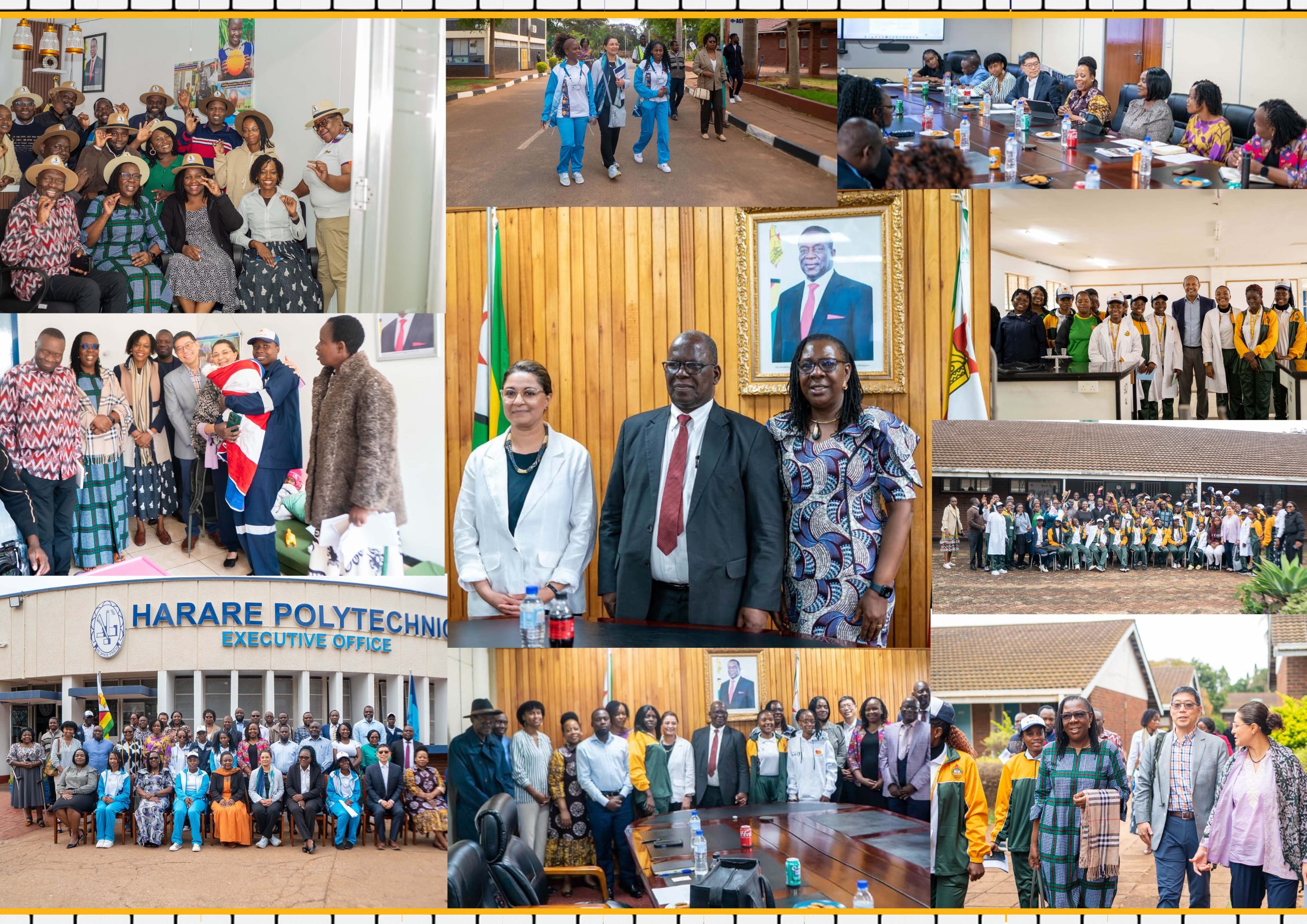
Expanding Second-Chance Education Pathways: FAWEZI Hosts FAWE and Mastercard Foundation Joint Monitoring and Learning Visit in Zimbabwe
The Forum for African Women Educationalists Zimbabwe (FAWEZI), in collaboration with the Forum for African Women Educationalists (FAWE Africa), the Mastercard Foundation and the Forum for African Women Educationalists Zambia (FAWEZA), hosted a Joint Monitoring and Learning Visit (JMV) in Zimbabwe to assess progress under the Second Chance Pathways for Increased Access to Tertiary Education for Marginalised Young Women and Men programme.
The visit brought together representatives from the Mastercard Foundation, FAWE Africa, FAWEZI, FAWEZA, participating tertiary institutions, Government and programme participants from Zimbabwe and Zambia. It provided an opportunity to reflect on implementation progress, hear directly from young people pursuing tertiary education and technical and vocational education and training (TVET), and identify lessons to strengthen inclusive education pathways.
Launched in Zimbabwe in 2024, the Phase II programme seeks to expand access to tertiary education and skills development for young women and men who face barriers to conventional education pathways. Its approach recognises that access to education requires more than admission and financial assistance; young people also need supportive learning environments, mentorship, psychosocial support and opportunities to develop the skills and confidence to transition into meaningful work.
192 Young Zimbabweans Access Tertiary Education Opportunities
A key milestone highlighted during the visit was the enrolment of 192 young women and men across six tertiary institutions under the programme. These include Harare Polytechnic, Gweru Polytechnic, Mutare Polytechnic, Bulawayo Polytechnic, Kwekwe Polytechnic and Belvedere Technical Teachers’ College.
The programme creates opportunities for young people who might otherwise struggle to access tertiary education, including those whose circumstances have interrupted or limited their educational journeys. Through bursary support and complementary interventions, it seeks to help programme participants continue learning, acquire relevant skills and work towards their professional aspirations.
Reporting on the visit, The Herald highlighted the programme’s contribution to expanding tertiary education access for marginalised young people. In its article, “192 marginalised youths enrolled in tertiary institutions”, the publication reported that the enrolment was part of Government’s efforts to expand alternative pathways for marginalised youth.
The milestone demonstrates the importance of partnerships that connect young people to educational opportunities while responding to the practical and social barriers that can affect their participation and retention.
Listening to Programme Participants: Understanding What Makes a Difference
At the centre of the Joint Monitoring and Learning Visit was the opportunity to engage directly with programme participants and understand their experiences beyond enrolment figures.
During engagements at Harare Polytechnic and Belvedere Technical Teachers’ College, the delegation interacted with students and institutional representatives to learn about their educational journeys, aspirations, experiences and support needs.
These discussions provided a platform for young people to share how access to tertiary education is shaping their ambitions and what additional support can help them navigate their studies successfully. They also enabled stakeholders to consider the challenges that may affect students’ participation, academic progress and transition into employment or further learning.
The visit reinforced the importance of placing programme participants’ voices at the centre of monitoring, learning and programme improvement. Their experiences offer valuable insights into how education pathways can become more responsive to the realities of marginalised young women and men.
Beyond Bursaries: Strengthening Holistic Student Support
While financial assistance remains an important component of the programme, the visit also highlighted the need for comprehensive support systems that enable students to thrive throughout their education journeys.
These include social orientation, academic guidance, mentorship, psychosocial support and opportunities for personal and leadership development. Such interventions can help young people navigate the transition into tertiary education, build confidence, manage challenges and make informed decisions about their futures.
Speaking during the Joint Monitoring Visit, FAWEZI Executive Director Lydia Madyirapanze explained that the mission was intended to help the participating organisations gain a fuller understanding of programme implementation and progress in Zimbabwe since 2024.
As reported by New Time Zimbabwe in “Young Zimbabweans Get Fresh Route Into Tertiary Education”, Madyirapanze emphasised that students require support beyond financial assistance, including social support, mentorship and orientation to help them navigate their studies.
This perspective reflects the programme’s holistic approach: expanding access is an essential first step, but sustained participation and successful transitions require an enabling environment in which students can learn, grow and realise their potential.
Government Partnership for Inclusive Higher and Tertiary Education
Engagement with Government formed an important part of the visit, providing an opportunity to discuss the programme’s contribution to national priorities in higher and tertiary education, technical skills development and inclusive access to learning opportunities.
The delegation engaged Professor Fanuel Tagwira, Permanent Secretary in the Ministry of Higher and Tertiary Education, Innovation, Science and Technology Development, alongside Professor Kuzvinetsa Peter Dzvimbo, Chief Executive Officer of the Zimbabwe Council for Higher Education (ZIMCHE), and other representatives from the higher education sector.
Discussions centred on progress under the Phase II programme and the importance of partnerships in creating pathways for young people who face barriers to accessing education and skills training.
Professor Tagwira underscored the value of collaboration between Government and development partners. In coverage published by New Time Zimbabwe, he noted:
“To date, 192 young women and men have been enrolled across six institutions Harare Polytechnic, Gweru Polytechnic, Mutare Polytechnic, Bulawayo Polytechnic, Kwekwe Polytechnic and Belvedere Technical Teachers College.”
The statement highlights the scale of the programme’s current reach in Zimbabwe and the role of participating institutions in making tertiary education opportunities accessible to more young people.
The engagement also affirmed the importance of aligning alternative and second-chance pathways with broader national efforts to develop relevant skills, strengthen human capital and ensure that young people can contribute meaningfully to Zimbabwe’s development.
TVET and STEM as Pathways to Skills, Employment and Innovation
The visits to Harare Polytechnic and Belvedere Technical Teachers’ College also provided an opportunity to examine the role of technical and vocational education in widening access to practical, career-oriented learning.
TVET institutions are important spaces for developing technical competencies, supporting innovation and preparing young people for employment, entrepreneurship and further study. By helping marginalised young women and men access these institutions, the programme contributes to widening participation in fields that can support personal advancement and national development.
The engagement with institutional leadership also created space to reflect on implementation experiences, student support systems and opportunities to strengthen inclusive pathways into science, technology, engineering and mathematics (STEM).
For young women in particular, expanding access to technical education and STEM-related opportunities is an important part of addressing persistent barriers to participation and supporting their representation in fields that shape economic and technological development.
The lessons emerging from these institutional engagements can inform continued efforts to make learning environments more inclusive, gender-responsive and responsive to students’ aspirations.
Regional Collaboration and Shared Learning
The Joint Monitoring and Learning Visit brought together teams from FAWE Africa, FAWEZI, FAWEZA and the Mastercard Foundation, alongside programme participants and institutional stakeholders from Zimbabwe and Zambia.
This regional engagement provided an opportunity to compare experiences, exchange lessons and reflect on implementation across the programme’s multi-country footprint.
The participation of FAWE Zambia and programme participants from both countries reinforced the value of cross-country learning in identifying approaches that can strengthen implementation and improve the educational experiences of marginalised young people.
The visit was also an opportunity for FAWEZI to share its implementation experience, reflect on progress and consider how learning from programme participants, institutions and partners can inform the next stages of delivery.
This shared learning approach recognises that sustainable progress requires ongoing dialogue, reflection and collaboration among those implementing, supporting and experiencing the programme.
From Monitoring to Meaningful Action
The Joint Monitoring and Learning Visit was an important opportunity to assess progress, listen to programme participants, strengthen stakeholder relationships and identify lessons for continued implementation.
For FAWEZI, the engagement reaffirmed the importance of working alongside Government, tertiary institutions, development partners and young people to expand access to equitable and quality education. It also reinforced the need to look beyond enrolment figures and understand the conditions that enable students to remain in education, develop their capabilities and pursue their aspirations.
The experiences shared during the visit will contribute to ongoing reflection on how bursary support, mentorship, psychosocial assistance and institutional collaboration can work together to strengthen second-chance education pathways.
As the programme continues, the collective priority remains clear: to ensure that young women and men facing barriers to education have meaningful opportunities to learn, acquire relevant skills and contribute to their communities and Zimbabwe’s development.
Through its partnership with FAWE and the Mastercard Foundation, FAWEZI remains committed to championing equitable, quality and inclusive education opportunities that leave no one behind.
Menard Ziko