Strengthening National Partnerships to Advance Adolescent Girls’ Education and Empowerment
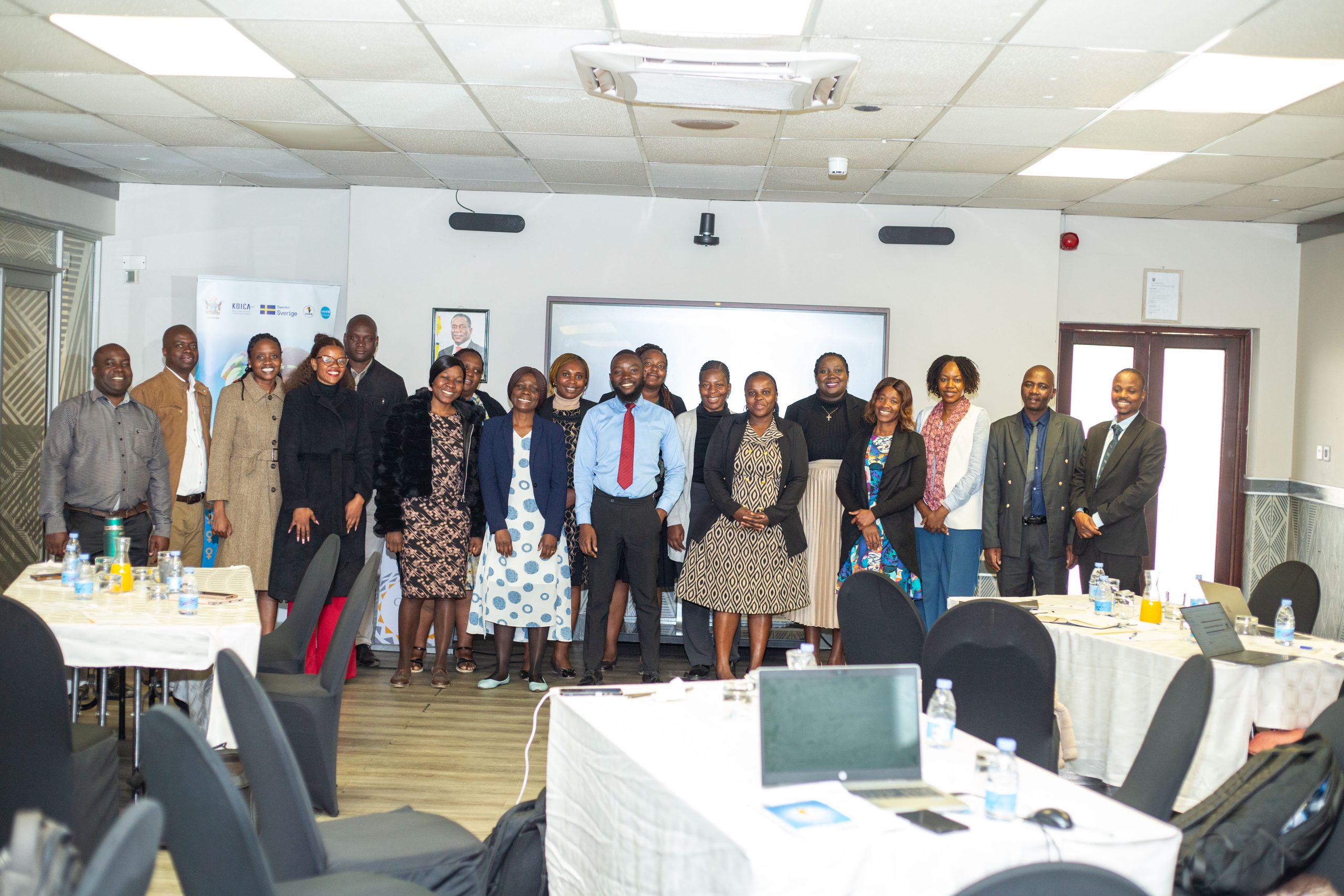
Harare, Zimbabwe — The Forum for African Women Educationalists Zimbabwe (FAWEZI), with support from UNICEF, convened a High-Level National Project Sensitisation Meeting under the Resilient, Innovative, Skilled and Empowered (RISE) Girls Project, bringing together government ministries, development partners and civil society stakeholders to strengthen coordinated efforts towards improving education, protection, leadership and STEM opportunities for adolescent girls in Zimbabwe.
The meeting provided a platform to reflect on progress made since the project’s inception, share key achievements and lessons learnt, and discuss opportunities to strengthen collaboration in addressing the barriers that continue to affect girls’ education, well-being and development.
With implementation spanning three wards in Chipinge, two wards in Chitungwiza and 30 project schools across the two districts, the RISE Girls Project seeks to strengthen the support systems, skills and opportunities adolescent girls need to remain in education, participate meaningfully in their communities and realise their full potential.
The engagement reinforced the importance of coordinated, evidence-informed and multi-sectoral approaches to addressing the interconnected challenges affecting adolescent girls, while strengthening national ownership of interventions designed to advance their rights and opportunities.
Strengthening Collaboration for Girls’ Education and Empowerment
Adolescent girls face multiple and often interconnected barriers that can disrupt their education, compromise their safety and limit their participation in leadership and economic opportunities.
Addressing these challenges requires more than interventions within the education sector alone. It calls for coordinated action across education, health, social protection, gender equality and community development systems.
The High-Level National Project Sensitisation Meeting brought together stakeholders from these sectors to build a shared understanding of the RISE Girls Project, reflect on implementation progress and identify opportunities for stronger collaboration.
Participating institutions included the Ministry of Primary and Secondary Education (MoPSE), the Ministry of Health and Child Care (MoHCC), the Ministry of Women Affairs, Community, Small and Medium Enterprises Development (MWACSMED), the Department of Social Development (DSD), the National AIDS Council (NAC), Youth Advocates and Family Support Trust.
Their participation provided an opportunity to discuss how institutional mandates, technical expertise and existing interventions can complement one another in supporting adolescent girls.
The engagement also underscored the importance of strengthening referral pathways, improving coordination and ensuring that girls can access the services and support they need within their schools and communities.
Reflecting on Progress and Lessons from Project Implementation
An important component of the meeting was the review of progress made since the RISE Girls Project began, including achievements, lessons learnt and emerging impact across the targeted wards and project schools in Chipinge and Chitungwiza.
These reflections provided an opportunity for stakeholders to consider implementation experiences, identify areas requiring further attention and explore ways to strengthen the reach and effectiveness of project interventions.
The meeting also highlighted the role of formative assessments in informing project design and implementation. Findings from these assessments continue to guide evidence-based programming, helping FAWEZI and its partners better understand the barriers adolescent girls experience and identify interventions that respond to their circumstances.
Using evidence to inform programming is essential in ensuring that interventions remain relevant to the realities girls face, particularly where challenges are shaped by social norms, household circumstances, access to services and broader structural inequalities.
By bringing together programme experience and stakeholder perspectives, the meeting strengthened the basis for continued learning, adaptive implementation and coordinated action.
Addressing Barriers That Affect Girls’ Education and Well-being
Discussions during the meeting reinforced the need to address the multiple challenges that can prevent adolescent girls from accessing and completing education.
Child marriage, teenage pregnancy, gender-based violence, school dropout and poverty remain important concerns requiring sustained attention from government, communities, development partners and civil society organisations.
These challenges are closely interconnected. A girl exposed to violence or harmful social norms may experience difficulties remaining in school, while economic hardship and limited access to support services can further restrict her opportunities to continue learning.
Addressing these barriers requires interventions that combine access to quality education with protection, health services, social support and opportunities for girls to develop their confidence, agency and leadership skills.
The meeting provided a platform for stakeholders to reflect on how their respective roles can contribute to a more coordinated response, ensuring that girls are supported not only to enrol in school but also to remain in education, participate actively and progress towards their aspirations.
Strengthening protective environments within schools, families and communities is equally important in ensuring that adolescent girls can learn and develop in settings where their rights, safety and dignity are respected.
Advancing Girls’ Participation in STEM and Leadership
Beyond access to education and protection, the RISE Girls Project recognises the importance of equipping adolescent girls with the skills and opportunities to shape their futures.
Girls’ participation in Science, Technology, Engineering and Mathematics (STEM) remains an important area for expanding educational and career opportunities, particularly as scientific knowledge, technology and innovation continue to influence the world of work.
However, gender stereotypes, limited exposure to practical STEM learning and unequal access to resources can discourage girls from pursuing these fields.
Discussions at the meeting reinforced the importance of creating opportunities for girls to explore their interests, develop relevant skills and participate in learning experiences that build confidence and encourage innovation.
Leadership development is equally important. Supporting girls to express their views, participate in decision-making and engage with issues affecting their communities helps strengthen their agency and prepares them to take on leadership roles.
Through the RISE Girls Project, FAWEZI and its partners are working towards an environment in which adolescent girls can access the education, skills, protection and support necessary to pursue their ambitions and contribute meaningfully to society.
A Multi-Sectoral Approach to Sustainable Change
The meeting highlighted the value of bringing together institutions with complementary responsibilities to address the complex challenges affecting adolescent girls.
Education stakeholders play a critical role in supporting school participation and creating inclusive learning environments. Health institutions contribute to access to relevant health information and services, while social development and child protection actors help address vulnerabilities and strengthen support for girls at risk.
Women’s affairs institutions, civil society organisations, youth advocates and development partners also have important roles in promoting gender equality, challenging harmful social norms and creating opportunities for girls to participate in community development.
Through constructive dialogue and stakeholder reflections, participants explored opportunities to strengthen these complementary efforts and improve coordination around the needs of adolescent girls.
Such collaboration is particularly important in ensuring that girls who experience multiple forms of disadvantage are not overlooked and can access appropriate support through responsive systems.
The meeting also marked an important step towards strengthening national ownership of the RISE Girls Project by creating space for stakeholders to engage with its objectives, implementation progress and opportunities for collective action.
Investing in Resilient, Skilled and Empowered Girls
The RISE Girls Project reflects the importance of investing in adolescent girls as active participants in their own development and as contributors to the future of their communities and the country.
When girls can access quality education, live free from violence, develop leadership skills and explore opportunities in STEM, they are better positioned to make informed decisions, pursue their aspirations and contribute to social and economic development.
Achieving these outcomes requires sustained investment, strong partnerships and interventions informed by the lived realities of girls and their communities.
As implementation continues in Chipinge and Chitungwiza, collaboration among FAWEZI, UNICEF, government ministries and other stakeholders will remain important in strengthening the support systems and opportunities available to adolescent girls.
With support from UNICEF, FAWEZI remains committed to advancing equitable, quality education and opportunities for all, working with partners to ensure that adolescent girls are protected, empowered and equipped with the knowledge, skills and confidence to become resilient, innovative, skilled and empowered leaders of tomorrow.
Menard Ziko