- +263 242 307793 | 0785 541 612
- info@fawezi.org
- Kenyan Embassy 95 Parklane, 1st Floor, Northwing, Harare


News Details
- July 13, 2026
- 85 views
- 0
Creating Pathways to Opportunity: FAWEZI Champions Tertiary Education Access for Refugee Young Women and Men
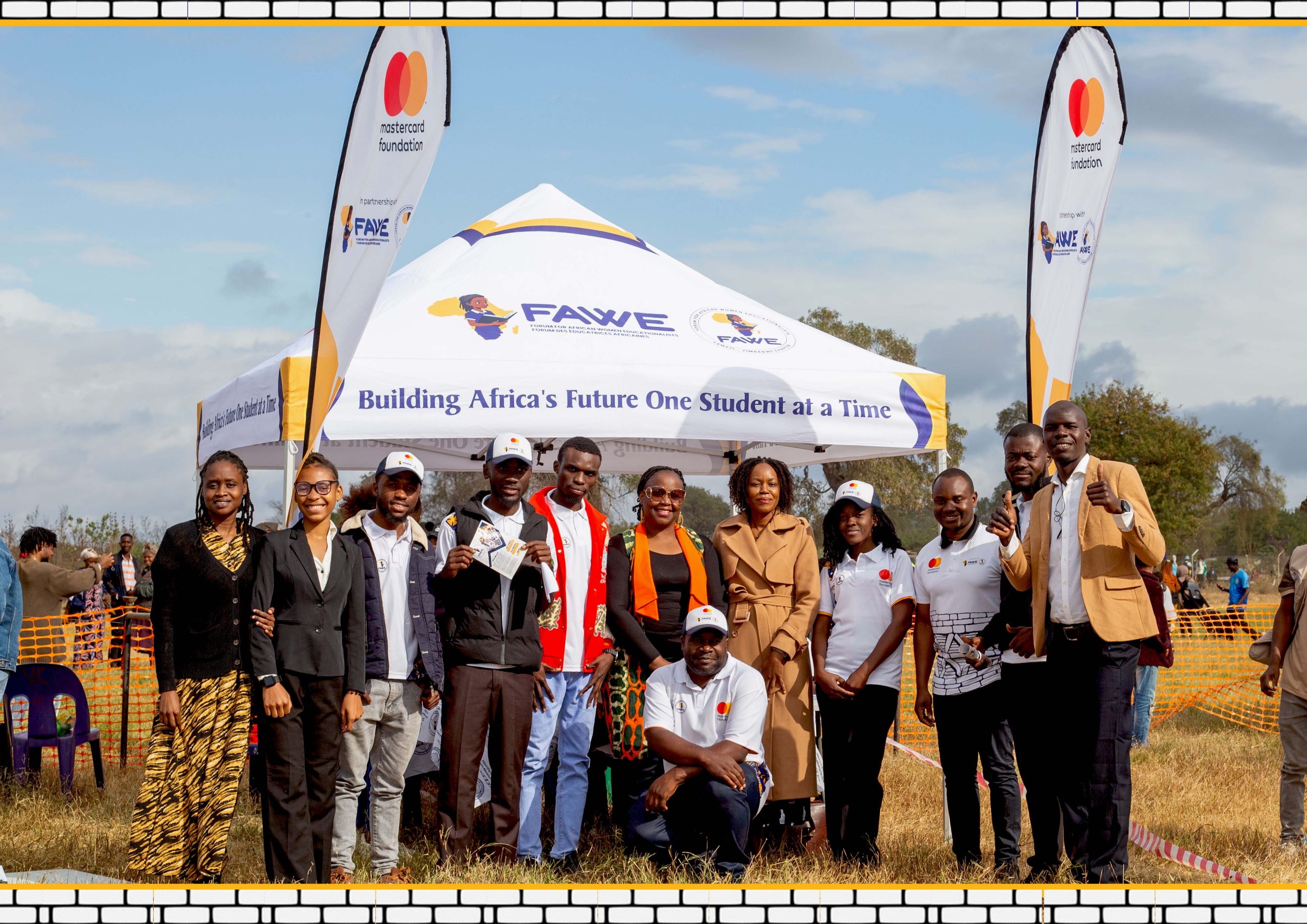
The Forum for African Women Educationalists Zimbabwe (FAWEZI) joined the Government of Zimbabwe, refugee communities, development partners, and other stakeholders in commemorating World Refugee Day 2026 at Tongogara Refugee Settlement under the theme “Solidarity with Refugees.”
The commemorations provided an opportunity for stakeholders to reaffirm their collective commitment towards supporting refugees and asylum seekers by creating inclusive opportunities that enable them to rebuild their lives with dignity, hope, and purpose.
World Refugee Day serves as a reminder that beyond statistics are individuals with aspirations, talents, and the potential to contribute meaningfully to their communities and societies. FAWEZI used the platform to highlight the transformative role of education in creating pathways towards self-reliance, inclusion, and sustainable livelihoods for refugee young women and men.
Through the Second Chance Pathways for Increased Access to Tertiary Education for Marginalized Young Women and Men Programme, FAWEZI continues to expand access to tertiary education opportunities for marginalized young people, including refugees.
The seven-year programme, implemented across 10 African countries with support from the Forum for African Women Educationalists (FAWE) and the Mastercard Foundation, seeks to address barriers that prevent young women and men from accessing and completing tertiary education.
In Zimbabwe, the programme is currently supporting 192 programme participants comprising 152 female and 40 male students to pursue Science, Technology, Engineering and Mathematics (STEM) programmes at five polytechnics and one technical teacher’s college.
Among these programme participants are 13 refugee young women and men, including 10 from Tongogara Refugee Settlement, who are accessing Technical and Vocational Education and Training (TVET) opportunities through bursary support. These opportunities are enabling them to acquire skills, qualifications, and pathways towards meaningful participation in the workforce and their communities.
Speaking during the commemorations, FAWE Africa Deputy Executive Director and Head of Programmes, Ms Teresa Omondi-Adeitan, reaffirmed FAWE’s commitment to ensuring that marginalized young people, including refugees, are not excluded from tertiary education opportunities.
“Across Africa, many talented young women and men continue to face barriers to education due to circumstances beyond their control. Refugee status should never determine a person’s ability to learn, acquire skills, or contribute to society. Through our partnership with the Mastercard Foundation, FAWE is helping create pathways that enable marginalized young women and men, including refugees, to access tertiary education, realize their potential, and become active contributors to their communities and national development,” said Ms Omondi-Adeitan.
She emphasized that education remains a critical tool for breaking cycles of exclusion and creating opportunities for young people to achieve their aspirations.
FAWEZI Executive Director, Ms Lydia Madyirapanze, highlighted the importance of investing in education as a means of restoring hope and unlocking the potential of displaced populations.
“World Refugee Day reminds us that behind every refugee statistic is a human story of resilience, courage, and aspiration. At FAWEZI, we believe that education is one of the most powerful tools for restoring dignity and unlocking potential. Through the Second Chance Pathways Programme, we are proud to support refugee young women and men to access tertiary education and pursue careers in STEM fields that will empower them to shape their own futures and contribute positively to their communities,” said Ms Madyirapanze.
She further called for strengthened partnerships among governments, educational institutions, development partners, and communities to expand inclusive learning opportunities.
“Solidarity with refugees must go beyond words and translate into concrete actions that expand access to learning, skills development, and decent livelihoods. Inclusive education systems are critical to ensuring that no young person is left behind, regardless of their background or circumstances,” she added.
FAWEZI’s participation in World Refugee Day commemorations reflects its broader commitment to advancing inclusive, equitable, and quality education for marginalized communities. Through the FAWE/Mastercard Foundation Phase II Programme and partnerships with government institutions, tertiary education providers, development partners, and communities, FAWEZI continues to champion education as a catalyst for social transformation and sustainable development.
Menard Ziko