FAWEZI Advances Student Health and Well-being in Higher and Tertiary Education Through O3 PLUS Phase II
The Forum for African Women Educationalists Zimbabwe (FAWEZI) convened the O3 PLUS Phase II Inception Meeting and Workshop on Student Health and Well-being Policies, marking an important milestone in efforts to strengthen student-centred, inclusive and supportive higher and tertiary education environments in Zimbabwe.
Implemented under the leadership of the Ministry of Higher and Tertiary Education, Innovation, Science and Technology Development (MHTEISTD), with technical leadership from the United Nations Educational, Scientific and Cultural Organization (UNESCO), O3 PLUS Phase II adopts a national systems-strengthening approach to student health and well-being across Zimbabwe’s 52 public Higher and Tertiary Education Institutions (HTEIs).
As an implementing partner, FAWEZI will directly engage 21 institutions, supporting efforts to strengthen institutional policies, promote gender-responsive approaches and improve mechanisms for safeguarding students’ health, dignity and well-being.
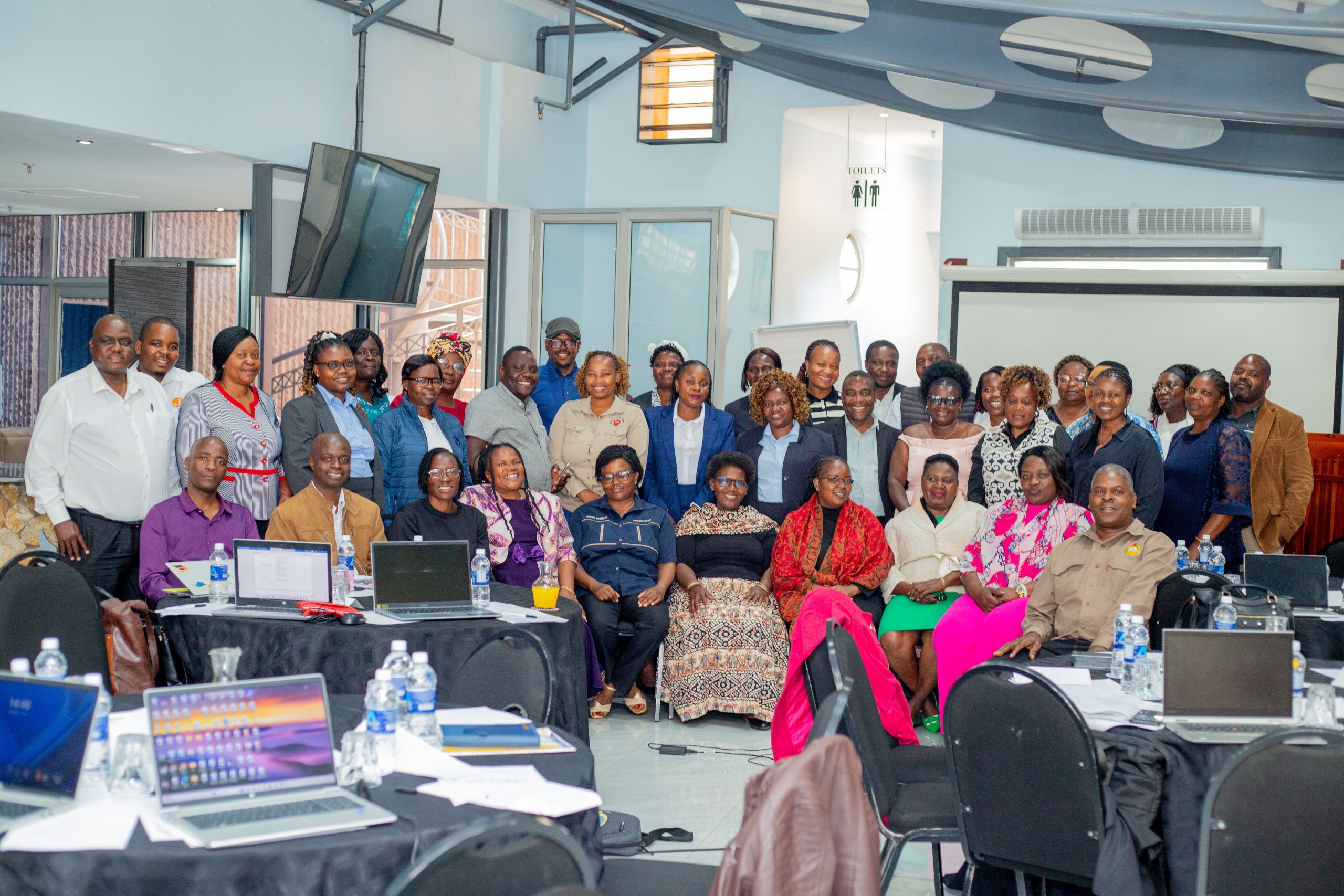
The inception meeting and workshop brought together representatives from MHTEISTD, UNESCO, the Tertiary Education Services Council (TESC), 18 higher and tertiary education institutions, SAYWHAT, Friendship Bench and the FAWEZI Secretariat. The engagement provided a platform to establish a shared understanding of the programme’s objectives, assess institutional needs and identify practical actions for embedding student health and well-being within institutional systems.
Placing Student Health and Well-being at the Centre of Institutional Leadership
Opening the meeting, FAWEZI Executive Director, Ms Lydia Madyirapanze, underscored the importance of strategic alignment, shared ownership and coordinated action in ensuring that student health and well-being become integral priorities within institutional leadership and governance.
Her remarks highlighted the need to move beyond treating student welfare as an isolated service or administrative responsibility and instead embed it within institutional policies, decision-making processes and accountability mechanisms.
Higher and tertiary education institutions play a critical role in shaping the academic, social and personal development of young people. However, students’ ability to participate fully in learning is influenced by more than academic resources and teaching quality. Their physical and mental health, personal safety, relationships and access to appropriate support services also affect their educational experiences and outcomes.
Creating supportive learning environments therefore requires institutional leadership to recognise student well-being as an essential component of educational success.
Through O3 PLUS Phase II, FAWEZI and its partners are working to strengthen the systems and policies that enable institutions to respond more effectively to students’ needs while promoting dignity, inclusion, safety and equitable participation.
Strengthening Institutional Policies Through a National Systems Approach
O3 PLUS Phase II builds on the importance of coordinated action across Zimbabwe’s higher and tertiary education sector.
With 52 public HTEIs within the programme’s national scope and FAWEZI directly engaging 21 institutions, the initiative provides an opportunity to strengthen institutional approaches to student health and well-being while supporting greater consistency in policy development and implementation.
A systems-strengthening approach recognises that sustainable change requires more than individual activities or awareness campaigns. It involves examining the policies, institutional structures, procedures and accountability mechanisms that influence how students are supported and protected.
The inception meeting and workshop created space for participating institutions and partners to consider how student health and well-being can be better integrated into institutional governance and everyday practice.
This includes identifying policy gaps, strengthening coordination among relevant institutional departments and ensuring that commitments to student welfare are translated into practical interventions.
By engaging institutional representatives alongside government, technical partners and civil society organisations, the workshop reinforced the importance of collective responsibility in creating environments where students can learn and thrive.
Advancing Gender-Responsive, Student-Centred and Rights-Based Policies
A key focus of the workshop was the identification of institutional gaps and the need for practical roadmaps to strengthen student health and well-being policies.
Through peer learning, group work and technical dialogue, participants examined institutional needs and explored approaches to developing policies that respond to the diverse experiences and circumstances of students.
Gender-responsive policies recognise that students may experience different barriers to safety, participation and access to support because of gender inequalities, harmful social norms and unequal power relations.
Student-centred approaches place students’ experiences, needs and rights at the heart of institutional decision-making, while rights-based approaches emphasise dignity, equality, protection and accountability.
Integrating these principles into institutional policies can help establish clearer expectations for preventing harm, responding to concerns and ensuring that students can access appropriate support without discrimination.
The workshop also highlighted the importance of moving from broad policy commitments towards implementation roadmaps that define practical actions and support measurable progress.
Such roadmaps are essential in helping institutions identify priorities, clarify responsibilities and strengthen the mechanisms needed to monitor implementation over time.
Preventing and Responding to Gender-Based Violence in Higher Education
Gender-based violence (GBV) was an important area of focus during the workshop, particularly in discussions on the need for responsive institutional policies and effective safeguarding mechanisms.
GBV undermines students’ safety, dignity and ability to participate fully in education. Its effects can extend beyond immediate physical or psychological harm, affecting attendance, academic performance, relationships and the ability to complete studies.
Higher and tertiary education institutions therefore have an important responsibility to establish environments in which violence, harassment, exploitation and discrimination are not tolerated, and in which students know where and how to seek support.
Preventing and responding to GBV requires comprehensive institutional approaches that include clear policies, accessible reporting channels, appropriate referral mechanisms and responses that uphold the rights and dignity of those affected.
It also requires institutional commitment to prevention, awareness-raising and the promotion of respectful relationships and equitable power dynamics.
Through the O3 PLUS Phase II engagement, participants explored institutional gaps and the importance of developing practical, gender-responsive approaches that strengthen both prevention and response.
The emphasis on policy development and implementation reinforces the need for institutions to ensure that safeguarding commitments are reflected in their structures, procedures and day-to-day interactions with students.
Promoting Student Health, Mental Well-being and Educational Success
Student well-being encompasses interconnected dimensions of health, safety and social support that influence students’ ability to learn, participate and complete their studies.
Mental health and psychosocial well-being are particularly important in higher and tertiary education, where students may navigate academic pressure, financial challenges, changing relationships and transitions into adulthood.
Creating supportive institutional environments requires appropriate policies, access to relevant support services and collaboration among the departments and organisations responsible for student welfare.
The participation of organisations such as SAYWHAT and Friendship Bench brought additional perspectives from the wider health and psychosocial support landscape into the engagement.
Collaboration among education institutions, government and specialist organisations can help strengthen the links between policy commitments and the support available to students.
Through its systems-strengthening focus, O3 PLUS Phase II provides a platform for institutions to reflect on how their policies and practices can better support students’ overall well-being alongside their academic development.
Collaboration as a Foundation for Sustainable Institutional Change
The workshop demonstrated the importance of partnerships in advancing student health and well-being across Zimbabwe’s higher and tertiary education sector.
MHTEISTD’s leadership provides the national policy and institutional context for implementation, while UNESCO contributes technical leadership and SDC provides programme support. FAWEZI’s role as an implementing partner includes direct engagement with 21 institutions, supporting efforts to strengthen institutional responses to student health, well-being and gender equality.
The participation of TESC, higher and tertiary education institutions, civil society organisations and the FAWEZI Secretariat created opportunities for peer learning and the exchange of perspectives on institutional needs and practical solutions.
This collaboration is important because student well-being challenges often require responses that extend across academic departments, student affairs, health services, counselling structures and institutional leadership.
A coordinated approach can help reduce fragmented responses, clarify institutional responsibilities and strengthen the alignment between policies and the services available to students.
The discussions also reinforced the importance of shared ownership, ensuring that the development and implementation of student health and well-being policies are not viewed as the responsibility of a single department or organisation.
Translating Policy Commitments into Measurable Action
A central message emerging from the inception meeting and workshop was the need to translate institutional commitments into coordinated, practical and measurable action.
Policy development is an important starting point, but its effectiveness depends on implementation, institutional accountability and the ability to assess progress over time.
The identification of institutional gaps and the development of practical roadmaps provide a foundation for participating institutions to strengthen their approaches to student health and well-being.
Continued engagement will be important in supporting institutions to address identified gaps, integrate gender-responsive and rights-based principles into their systems, and strengthen mechanisms for preventing and responding to GBV.
Ultimately, the success of these efforts will be reflected in institutional environments where students are safer, their dignity is respected, support is accessible and their opportunities to participate and succeed in education are strengthened.
Building Safer and More Inclusive Higher Education Systems
The O3 PLUS Phase II Inception Meeting and Workshop on Student Health and Well-being Policies marked an important step in strengthening national collaboration and institutional commitment to student welfare.
By bringing together government, technical partners, higher and tertiary education institutions and civil society organisations, FAWEZI helped create a platform for identifying policy gaps, sharing experiences and advancing a coordinated approach to institutional change.
As implementation progresses, the engagement of 21 institutions by FAWEZI will contribute to broader national efforts to embed student health and well-being within institutional systems and promote safer, more inclusive learning environments.
Through O3 PLUS Phase II, under the leadership of MHTEISTD, with UNESCO’s technical leadership and support from SDC, FAWEZI remains committed to advancing higher and tertiary education environments where every student can learn in safety, access appropriate support, enjoy dignity and equal rights, and pursue their educational aspirations without fear of gender-based violence or discrimination.
Menard Ziko